


What is AI transformation in outdoor industry digital marketing?
AI transformation in outdoor industry digital marketing means using artificial intelligence tools to automate, personalize, and scale marketing across the full customer journey — from first discovery to repeat purchase. For outdoor brands, this includes AI-powered content creation, predictive campaign analytics, HubSpot automation workflows, and AI search optimization (AEO) to ensure your brand appears in ChatGPT, Perplexity, and Google AI Overviews — not just traditional search results.
Key AI applications for outdoor brands in 2026:
- Predictive analytics — forecast which customers are ready to buy before they search
- AI content tools — scale blog, email, and social content without losing brand voice
- HubSpot Breeze AI — automate lead nurturing, lead scoring, and customer service
- AI ad platforms — optimize spend in real time, including on firearms-compliant networks like Superscale and HyperFX
- AEO / AI search — structure content so AI engines cite your brand as the expert answer
- Personalization at scale — serve different messaging to hunters, shooters, and outdoor enthusiasts automatically
The outdoor industry (like every other industry) is facing a pivotal shift. Yet many brands are still struggling with outdated digital marketing strategies, missing out on artificial intelligence’s full potential. This gap translates to millions in lost revenue and countless missed opportunities to connect with passionate outdoor enthusiasts, optimize processes, and save time.
Experts predict that AI will revolutionize business and marketing by 2030. After researching, testing, and implementing AI-driven strategies within our agency using tools like Databox and HubSpot with select clients, one thing is certain—the brands that embrace AI now will secure a significant competitive edge. And the window is closing rapidly.
“AI has the potential to level the playing field by making powerful tools accessible to businesses of all sizes, allowing smaller players to compete with industry giants. However, the key is in the execution. Those who recognize the opportunity and take action now will gain an early-mover advantage, while those who delay may struggle to keep up. AI doesn’t guarantee equal outcomes—it rewards those who adopt, adapt, and innovate effectively.” —Josh Claflin, President of Garrison Everest
 As artificial intelligence reshapes the digital marketing landscape, brands that sell hiking, hunting, and shooting sports gear, camping equipment, adventure apparel, and outdoor experiences face both unprecedented challenges and remarkable opportunities.
According to McKinsey research, companies that effectively leverage AI in their marketing efforts see revenue increases of 15-20% and cost reductions of 10-15%. Many outdoor brands have yet to explore how AI can benefit their business and continue to rely on outdated marketing strategies.
Here are some stats for you to consider:
- Market size: In 2022, the global AI market was valued at $454.12 billion. By 2032, it could be worth $2,575.16 billion.
- Usage: 77% of devices use AI in some way.
- Job impact: By 2025, AI may eliminate 85 million jobs but create 97 million new ones.
- Business adoption: Over 80% of companies have adopted AI in some way.
- AI in customer service: 56% of businesses use AI for customer service.
- AI in manufacturing: The manufacturing industry could gain $3.78 trillion from AI by 2035.
- AI in marketing: 73% of marketers say AI plays a role in creating personalized customer experiences.
- AI in the economy: AI is projected to contribute $15.7 trillion to the global economy by 2030.
What you get in this article:
Contents
In this comprehensive article, I will explore how AI is transforming the outdoor industry and provide actionable steps for leveraging these technologies to connect with outdoor enthusiasts in more meaningful ways. It also explains how you, as a business owner, marketer, or executive director, can start preparing for the inevitable changes just over the horizon.
Full disclosure, as a HubSpot Solutions Partner we lean heavily on HubSpot’s new AI-drive platform.
The AI Revolution in Outdoor Marketing
The outdoor industry has always thrived on authenticity, heritage, conservation, sustainability and genuine connections with enthusiasts. Now, AI brings powerful tools that, when implemented, can enhance these connections rather than dilute them.
As AI becomes more widely used, people will come to expect it. Just look at the adoption of ChatGPT in the last year.
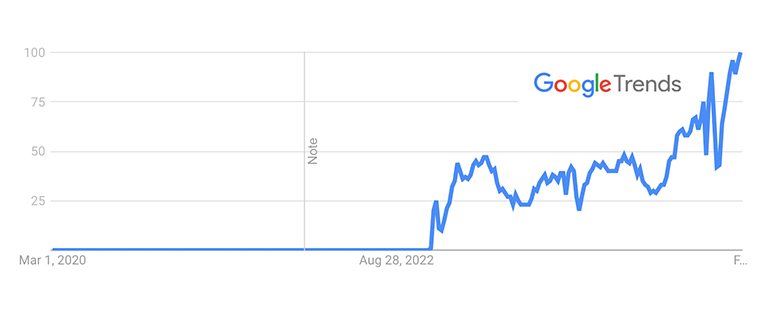
ChatGPT Adoption has exploded!
According to recent market research, outdoor recreation participation has increased by 18% since 2020, with corresponding growth in outdoor gear and apparel sales. This expansion brings increased competition and the need for more sophisticated marketing approaches. AI technology offers solutions that can help brands stand out in this increasingly crowded marketplace.
In the old days, you might buy a North Face jacket, Buck Knife, Remington 270 or Danner boots because that’s what your dad, brother or friend recommended. Today, such considerations to brand loyalty matter much less due to the availability of detailed product comparisons and customer reviews. Now, each product has to prove itself on its own.

The outdoor industry is younger and more tech-savvy.
Why AI Matters for Outdoor Brands
Outdoor consumers encompass a diverse yet discerning audience. From weekend hikers to competitive fishermen and shooters, these individuals conduct extensive research before making purchases, placing high value on expertise and authenticity. Notably, approximately 10,000 baby boomers reach retirement age each day, a trend expected to continue through 2029. This demographic shift introduces a younger, more tech-savvy generation into the market, influencing consumer behavior and preferences.
For instance, Millennials, who represent 38% of the U.S. outdoor consumer population, spend more time outdoors and allocate more funds to outdoor products than the average consumer. Additionally, 34% of outdoor consumers reside in urban areas, a figure anticipated to rise with ongoing urbanization trends. This evolving landscape underscores the importance for outdoor brands to adapt their strategies to meet the expectations of a more technologically inclined and diverse customer base.
AI enables outdoor brands to:
- Deliver hyper-personalized content based on activity preferences and skill levels
- Anticipate seasonal needs with predictive analytics
- Provide more knowledgeable product recommendations
- Scale authentic storytelling across multiple channels
- Create more efficient marketing operations while maintaining brand voice
- Keep track or brand reputation (NPS) and make changes before it’s too late
“A satisfied outdoor customer will tell approximately 9 people about their positive experience, while dissatisfied customers will tell up to 16 people about negative experiences.” – Outdoor Industry Association
Key Areas of AI Transformation in Outdoor Industry Digital Marketing
1. AI-Powered Customer Targeting & Personalization
Modern outdoor enthusiasts expect personalized experiences. Using platforms like HubSpot’s smart content features, brands can now deliver dynamic website experiences based on a visitor’s demonstrated interests in specific activities like hiking, camping, fishing or hunting.
Weather-triggered and location marketing campaigns, predictive analytics for behavior forecasting, and AI-driven persona development are revolutionizing how outdoor brands connect with their audiences at precisely the right moment with exactly the right message.
If you’ve ever wondered why REI seems to know exactly when to send you that rain gear email just before a wet weekend, you’re witnessing AI personalization in action.
2. AI Content Creation & Optimization
Creating consistent, high-quality content across all product categories has traditionally been resource-intensive for outdoor brands. AI content tools integrated with platforms like HubSpot’s content strategy tools now enable more efficient production of product descriptions, activity guides, and seasonal content.
Computer vision technology helps classify and tag outdoor imagery, while automated video processing can transform hours of adventure footage into compelling highlight reels. These technologies help maintain the authentic storytelling outdoor brands need while scaling content production.

Save time by creating multiple pieces of content at once.
3. Conversational Marketing & Customer Service
Selecting the right outdoor gear often requires expertise. AI-powered chatbots and virtual shopping assistants, especially when integrated with HubSpot’s Service Hub, now provide 24/7 guidance on technical equipment selection, sizing recommendations, and compatibility questions.
Voice search optimization has become particularly important as outdoor enthusiasts increasingly use voice commands to research gear while actively engaged in outdoor activities. Brands optimizing for these natural language queries gain significant advantages in discovery.
Nearly 60% of consumers have higher expectations for customer service than they did just one year ago. For outdoor brands selling technical products, meeting these expectations without massive staff increases requires AI assistance.

FalconStrike’s Customer Agent.
4. Data-Driven Strategy & Analytics
Understanding the complex customer journey of outdoor enthusiasts requires sophisticated analytics. Dashboards combined with AI analysis can map the typically longer consideration cycles for technical outdoor gear purchases.
Predictive inventory management helps brands prepare for seasonal fluctuations, while attribution modeling clarifies which marketing channels most effectively reach and convert outdoor enthusiasts. These insights enable more strategic allocation of marketing resources.
5. Emerging AI Technologies in Outdoor Marketing
Looking ahead, augmented and virtual reality experiences allow customers to virtually “try before they buy” – testing how a tent sets up or what a scopes reticle looks like. Location-based marketing enhanced through a CRM helps connect with consumers during their outdoor experiences.
Sustainability metrics automation is particularly relevant for outdoor brands, whose customers often place high value on environmental responsibility. AI helps track and communicate these efforts more effectively.
Here are a few examples of AI in the outdoor industry:
- Trip Planning
AI-Powered Adventure Concierge: Outside launched “Scout,” an AI-driven chatbot that provides users with gear advice, trip itineraries, campfire recipes, and more, sourced from their extensive content library. - Navigation
AI in Kayaking: AI can analyze geographical and environmental data to create optimal routes for kayakers, considering factors like paddling distance and difficulty. - Wildlife Identification
AI-Powered Binoculars: Swarovski Optik introduced the AX Visio, AI-enabled binoculars capable of identifying over 9,000 bird species in real-time using computer vision and geolocation. - Rescue Assistance

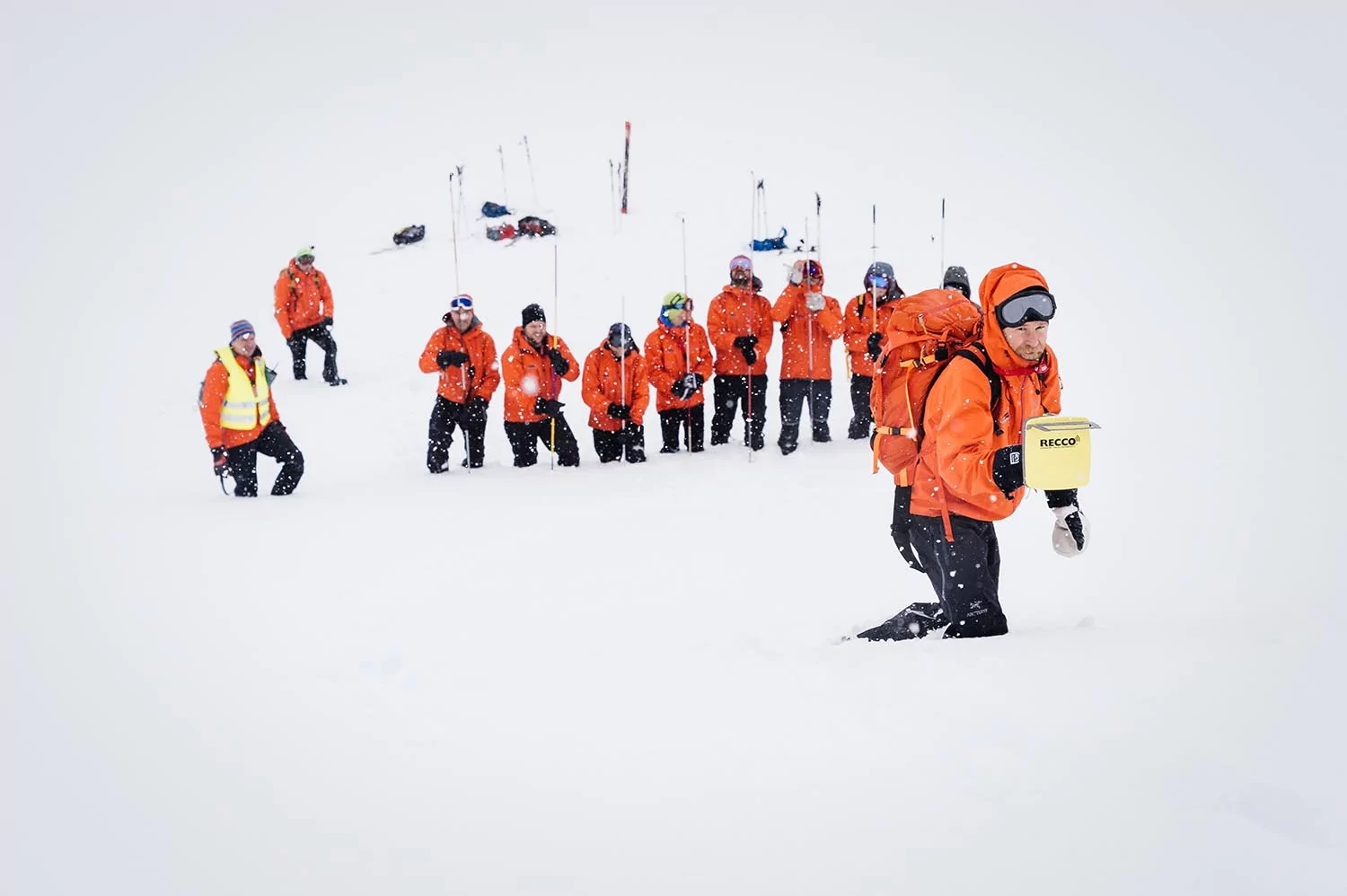
Photo credit: Recco – Avalanche location
RECCO Rescue Technology: The RECCO system uses harmonic radar technology to help rescue teams locate individuals buried by avalanches or lost in the outdoors.
- Smart Gear Integration
Fire Detection in Forestry: In northwest Tasmania, AI-powered cameras have been installed to detect bushfires in their early stages, protecting forestry assets and enhancing public safety. - Safety Innovations
AI in Environmental Monitoring: AI-driven satellite data analysis and remote sensing are utilized for environmental monitoring, aiding in early detection of natural disasters and enhancing safety measures.
These examples illustrate how AI is increasingly integrated into outdoor products and services, enhancing user experiences and safety.
Implementing AI in Your Outdoor Digital Marketing Strategy
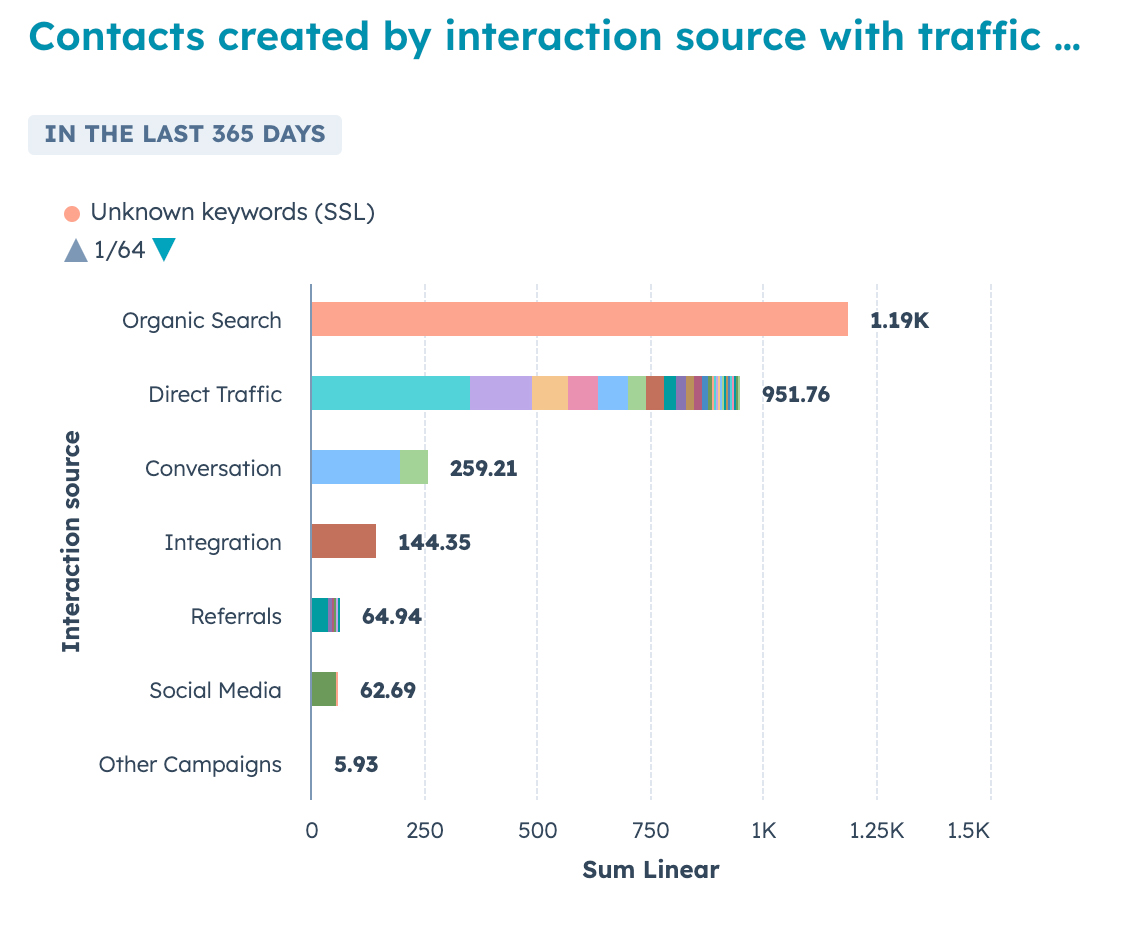
Track your attribution with AI reporting.
The most successful outdoor brands approach AI implementation strategically, focusing on technologies that enhance rather than replace the authentic connections that define the industry.
For many brands, starting with a platform like HubSpot provides the foundation for gradually incorporating AI capabilities. The CRM becomes the central hub for customer data, enabling increasingly sophisticated AI applications as your sales, service and marketing strategy transforms.
For example, over the past 2 years as the platform has evolved, we’ve been able to implement greater targeting and personalizations than ever before. We know when a prospect or past customer interacts with our social media or visits our website which enables us to send an offer via chat or email when the customer is actively in buying mode.
If you’re looking for ways to maximize your outdoor industry marketing and build your reputation in the industry—AI implementation is no longer optional; it’s an essential competitive advantage.
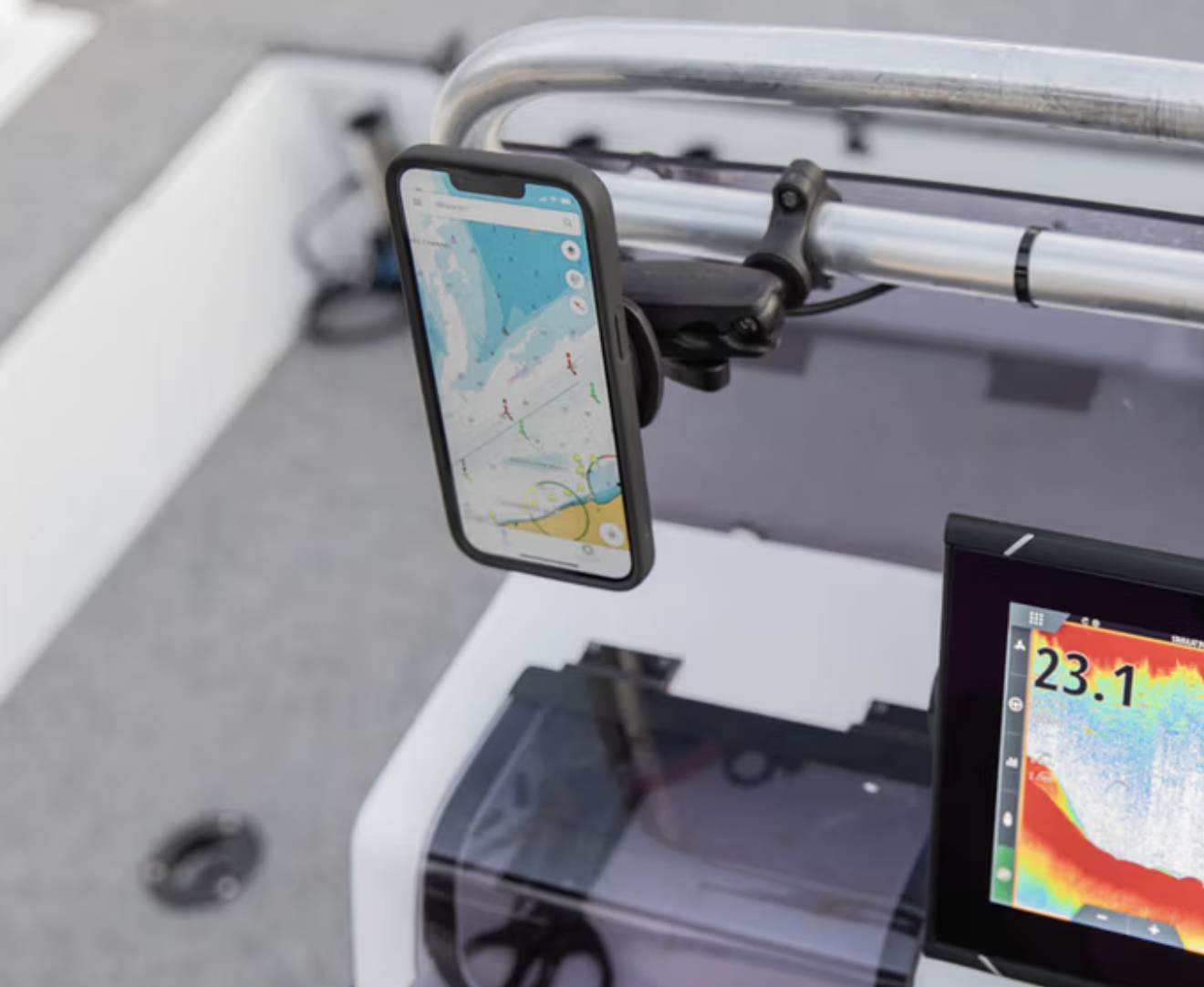
Photo credit: Quadlock
Case Studies: AI Success in the Outdoor Industry Digital Marketing
Several forward-thinking outdoor brands have already embraced AI transformation:
- evo’s AI Shopping Assistant: Implemented an AI-driven shopping assistant, increasing engagement and generating over $3M in incremental revenue per year with an 85% customer satisfaction score.
- Apricoat’s AI Chatbot: Launched an AI chatbot that boosted conversions by 10%, generated $20.7K in additional monthly revenue, and handled 96% of customer inquiries.
- Quad Lock’s AI Audience Segmentation: Used AI to predict purchase intent, reducing retargeting CPA by 42%, tripling ad spend, and increasing incremental revenue by 389%.
- Currently, we are testing customer agents, check back soon for updates!
Getting Started with AI for Your Outdoor Brand
Begin your AI marketing transformation with these steps:
- Get familiar with agents, check out agent.ai (founded by Darmesh Shah)
- Audit your current marketing technology stack to identify integration opportunities
- Evaluate your customer data collection to ensure you’re gathering the insights needed to fuel AI systems
- Start with one high-impact area (often personalization or content optimization) rather than attempting a complete transformation
- Select the right technology partners, with platforms like HubSpot offering accessible entry points to AI capabilities
- Measure results rigorously to build internal support for expanded AI implementation
My Final Thoughts
I’ve spent over 20 years in the outdoor industry, always drawn to emerging technologies. I watched as the internet transformed everything in 2000, followed by the rise of mobile. Now, AI is the next major shift. The ability to solve marketing and growth challenges has never been more accessible—those who embrace change will lead the way in redefining business operations for the future. One thing is certain: the outdoor lifestyle will endure. People will always seek quiet, open spaces to experience God’s creation. What will evolve is how we serve our customers—becoming smarter, more efficient, and seamless. And soon, they will expect nothing less.
Curious about how AI can transform your outdoor brand? Let’s connect for a free assessment and Q&A to explore how HubSpot’s AI can enhance your customer service, sales, e-commerce, and marketing.
SCHEDULE A CALL
Frequently Asked Questions
1. How is AI transforming digital marketing in the outdoor industry?
AI is automating repetitive marketing tasks, improving personalization, and enhancing customer insights. Outdoor brands are using it to optimize ad targeting, automate content creation, and deliver better customer experiences across digital channels.
2. What are practical AI tools outdoor brands can use today?
Tools like HubSpot’s AI-powered CRM, Jasper, ChatGPT, and Midjourney help outdoor marketers write content, generate visuals, manage leads, and analyze performance data faster and more accurately than ever before.
3. How does AI improve ROI for outdoor and adventure brands?
AI identifies patterns in customer data, helping marketers focus budgets on what converts best. By automating workflows and predicting customer behavior, AI helps outdoor brands increase engagement, reduce ad waste, and improve ROI.
4. Is AI replacing human creativity in marketing?
No. AI enhances creativity—it doesn’t replace it. Human marketers still provide strategic direction, empathy, and brand storytelling. AI simply speeds up production and provides insights that inform smarter creative decisions.
5. What data do outdoor brands need to make AI effective?
Brands need clean, structured customer data from CRM systems, email platforms, and website analytics. The better your data hygiene, the more accurately AI can segment audiences, personalize campaigns, and predict outcomes.
6. How can small outdoor businesses start using AI?
Begin with simple tools like AI-assisted email writing, automated customer service chatbots, or predictive analytics in your CRM. Start small, measure results, and scale as you see improvements in efficiency and engagement.
7. What are the biggest risks of using AI in marketing?
The main risks are over-reliance on automation, inaccurate data inputs, and lack of human oversight. Always verify AI outputs and ensure your brand’s voice and values remain consistent across all content and channels.
8. How does AI help outdoor brands with content creation?
AI assists with blog writing, video scripting, image generation, and SEO optimization. It accelerates content production while maintaining consistency, allowing teams to focus on storytelling and strategy instead of manual work.
9. What role will AI play in customer experience for outdoor brands?
AI will power smarter product recommendations, conversational chatbots, and predictive support. This means outdoor customers will see more relevant offers and smoother digital experiences across websites and email funnels.
10. How can Garrison Everest help outdoor brands integrate AI?
Garrison Everest helps outdoor and adventure brands integrate AI into marketing systems like HubSpot to streamline automation, content, and customer insights—making every marketing dollar more efficient and measurable.

